a return
A fun astronomical feature is that a full moon rises at nearly the exact time the sun sets. Last week, a plan was made; to meet Kate somewhere with a view of this synchronicity; to watch the show then wander back to a campground in the moonlight. This micro-adventure was one of several happenings in the last week that has got me to this point – this point being a return to awildland, to stories, to the website, to the life lived and the one still to come.
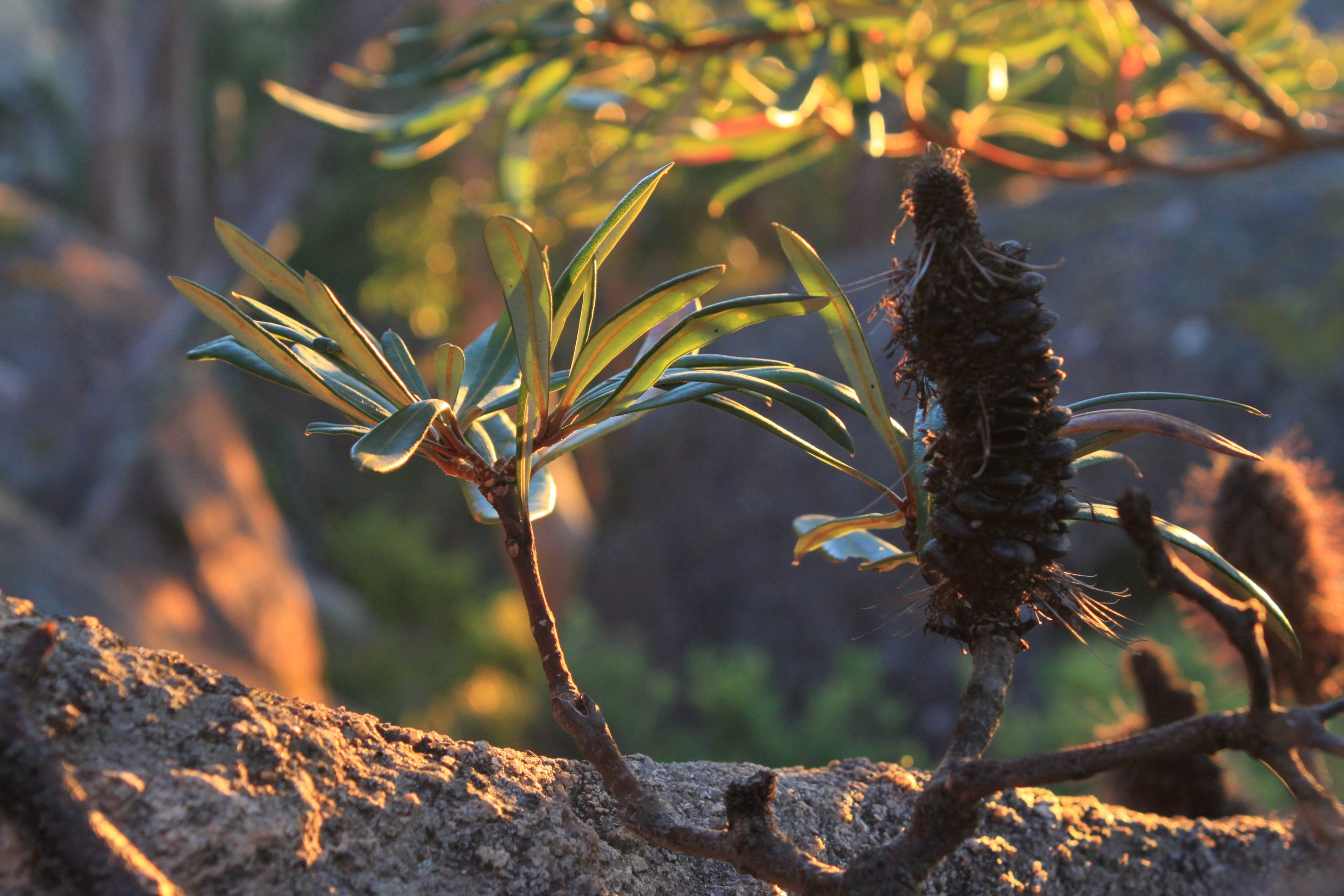
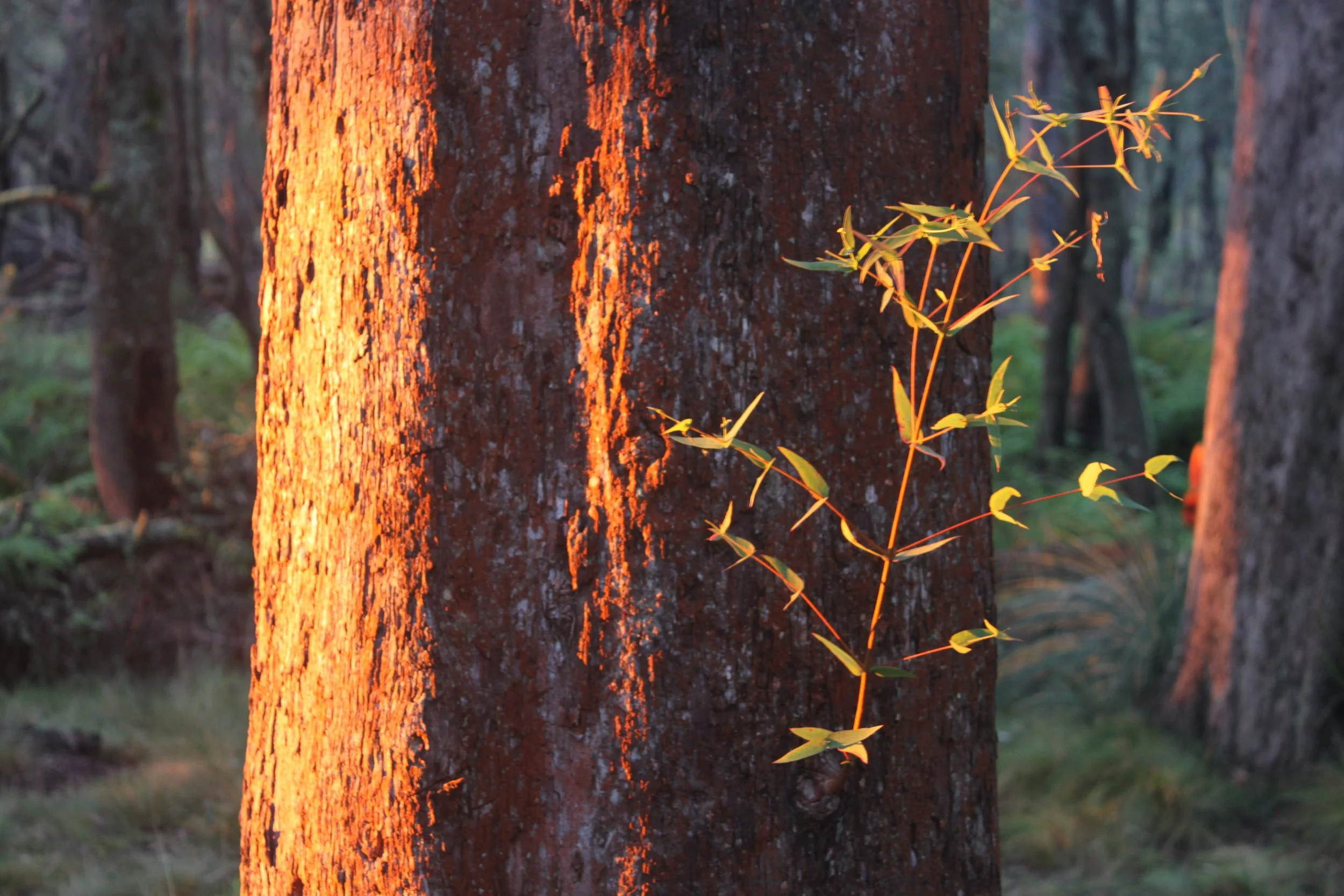
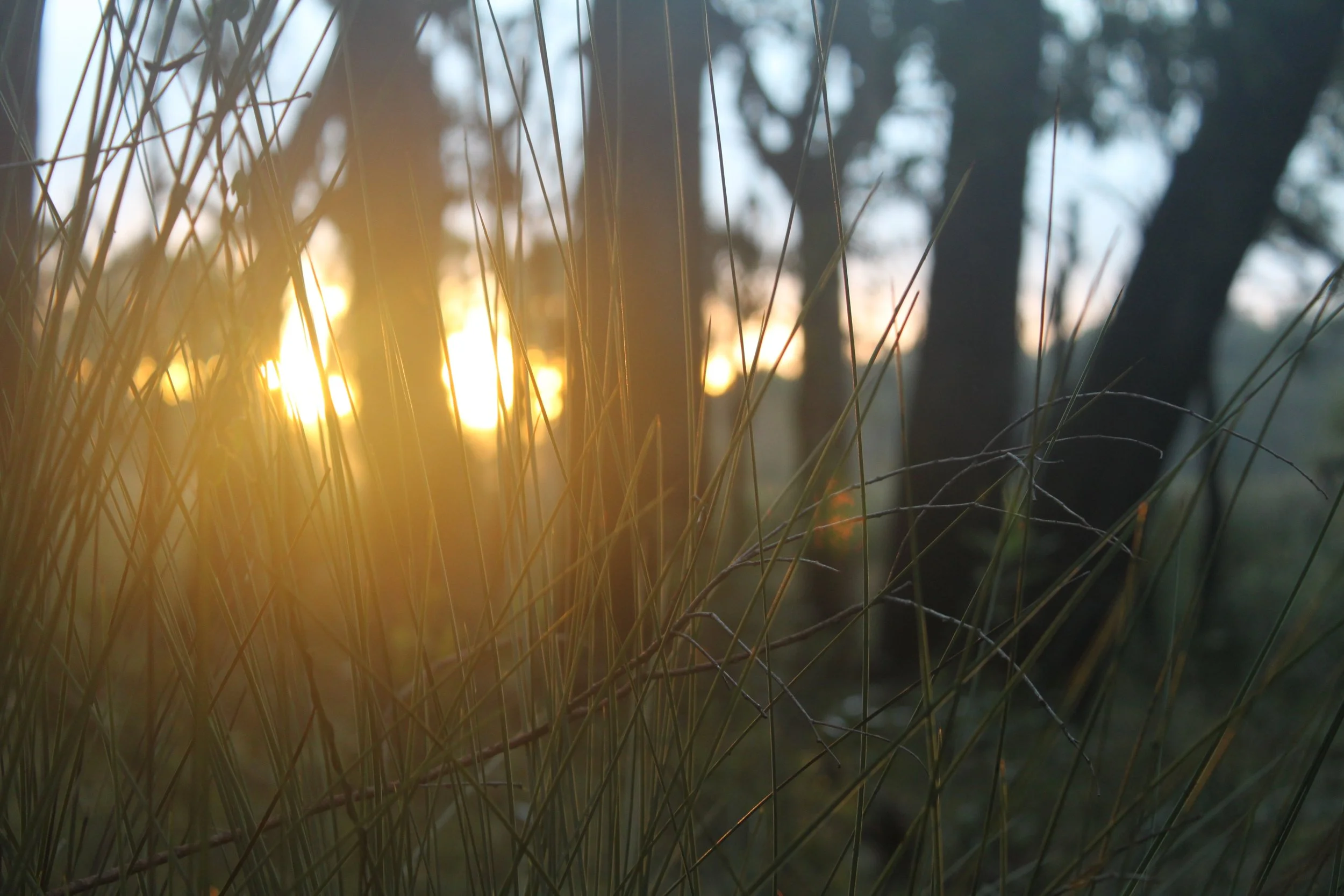
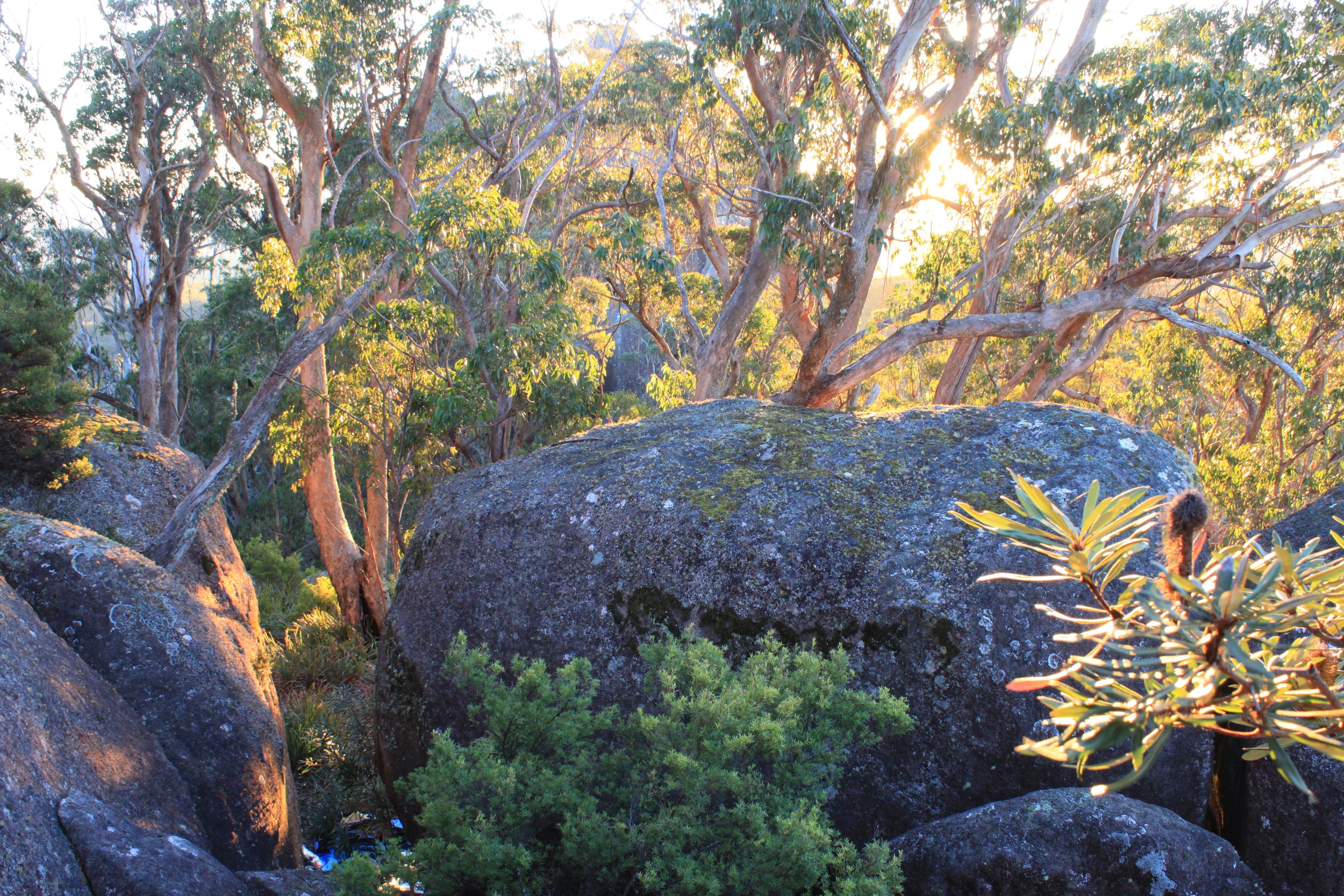
Woolpack Rocks in Cathedral Rock National Park (NSW).
I woke at Native Dog campground to fog filled forest, spider webs hung with dew, wattle in bright, dense flower. In the late afternoon, Kate joined me and we set off for Woolpack Rocks. It’s an easy walk, a good track and has had some major upgrades since the last time I was here. It’s about 4km one way, from Native Dog Campground to the summit. White everlasting daisies were in flower in a damp gully near the summit track. The muted fragrance of wattle filled the air. We arrived on the summit of Woolpack about 4:30pm with time to look around and prepare ourselves for the sunset/full moon show.
The view from Woolpack Rocks is, we agreed, better than the view from its more famous neighbour, Cathedral Rock. The huge boulders of Woolpack frame a long view north into the Guy Fawkes River Valley. Eastward, you can see the rugged cliffs of Darkies Point/Ngulongeer in New England National Park. You can see the way the land drops away along that sheer escarpment edge. Closer at hand, across a small forested valley, are two unnamed outcrops of enormous granite boulders. They are familiar to me. In 2011, the old awildland team (Craig and I) headed off track to explore and camp on those peaks. We did a story about that trip on our old blog and you can still find it there.
There is another memory…
While waiting for the sunset on Woolpack Rocks, I clambered around rocks south of the summit. Then round some more rocks, then round one last enormous boulder and there it was. Our old bivvy site. Craig and I brought Kate here 16 years ago. The three of us slept out. A roaring, fierce southerly whipped up in the night. Now the site looked ludicrous - how did three of us fit there? There is an exposed 15m drop at each end. How did Craig even find this spot, tucked away as it is around so many improbable boulders? Now, I can find no photos from that trip. How is that possible? It was before I started carrying a journal to write up trip notes. No record of any of it, just memories. There’s a poem in that.
Speaking of memory and poetry. Another thing happened in the last week to bring me back to awildland’s public sphere.
Two of my poems have been published this week in StylusLit, an Australian, bi-annual online literary journal. You can find the poems here: https://styluslit.com/poetry/two-poems-11/. In one of those serendipities of life, many of the poems in this issue touch on memory. Lines from [Un]Clocked by Lisa Collyer resonated with me…two generations congregate in nostalgia’s house…there’s a whimsy in wandering through memory’s corridors…a conversation that never happened is the elephant in every room…
The poem Mount Pierce by John Gray ventures into Woolpack Rock-esque terrain with observations on granite, fire burnt landscapes, cold wind and how nature affects our senses. The tactile world of nature is a theme also explored in Museum of Touch by Brenda Saunders. And Les Wicks poem What It Means, while a bit bleak at the end, has some beautiful imagery and lines. All of them worth a read. My other favourite in this issue is Paul Dawson’s Opera House Apocalypse. Even if poetry is not your thing, that poem is a good one to start with. My two poems share a different thread; responding to drought and heat which returns us here, full circle, to Cathedral Rock National Park.
The ‘Guyra Road’ fire of November 2019 and the survival of Nothofagus
Cathedral Rock National Park was one of many places severely affected by the 2019/2020 bushfires that ravaged much of the east coast of Australia. The ‘Guyra Road’ fire of November 2019 burnt the entirety of the park, including a small remnant of Cool Temperate Rainforest dominated by Nothofagus moorei (Antarctic Beech) which had, until then, survived tucked amongst granite tors in the headwaters of one of the park’s few creeks. The fire came on the back of a drought. The Nothofagus moorei rainforest site occurs at 1,560 m altitude and near the regional western limit of Nothofagus. It is the highest known occurrence of the species and, at the time of the fire, the population comprised only 52 individuals. Mean annual rainfall at the site is 1,150 mm, making the site one of the driest and coldest where N. moorei is known to occur.
Last year, just a few weeks after Craig died, an email landed in my inbox from researchers who were working with the NSW Parks and Wildlife Service monitoring and assisting the recovery of these trees, post-fire. They were chasing any photos we might have, pre-fire, which illustrated the rainforest. I wanted to help. But it took this whole 12 months until I could respond. I wanted to find exactly what they were after so I scoured Craig’s vast photo library. But, rainforest lives in gullies and photographers live on high points. Despite our many walks in Cathedral Rock National Park we managed to miss this unique community of Antarctic Beech. I had no inkling that such iconic rainforest trees had a foothold in this rocky, shallow soiled, drought-prone landscape. Amazing and lovely, that they are there. And, that they survived!
A preliminary research paper, detailing the post-fire recovery rates of all three species, makes for a short and interesting read and I highly recommend it to everyone interested in this surprising landscape. It is an inspiring testament to the incredible resilience of living things. The nothofagus have survived and regenerated. With our help these little troopers can live on. I feel like now is our chance to undo so much of the damage we have wrought. People are out there already, quietly doing the good work.
The future
On the moonlit walk back to camp, Kate and I met an enormous grey kangaroo and also stopped to listen to southern boobooks calling incessantly from the treetops. The living future of note is that Craig’s daughter Kate has her father’s talent for composition and colour. Her photos from our little adventure have a different aesthetic but they are good. Really good. You can check out her images on her Tumblr page or find her on Instagram and Substack.
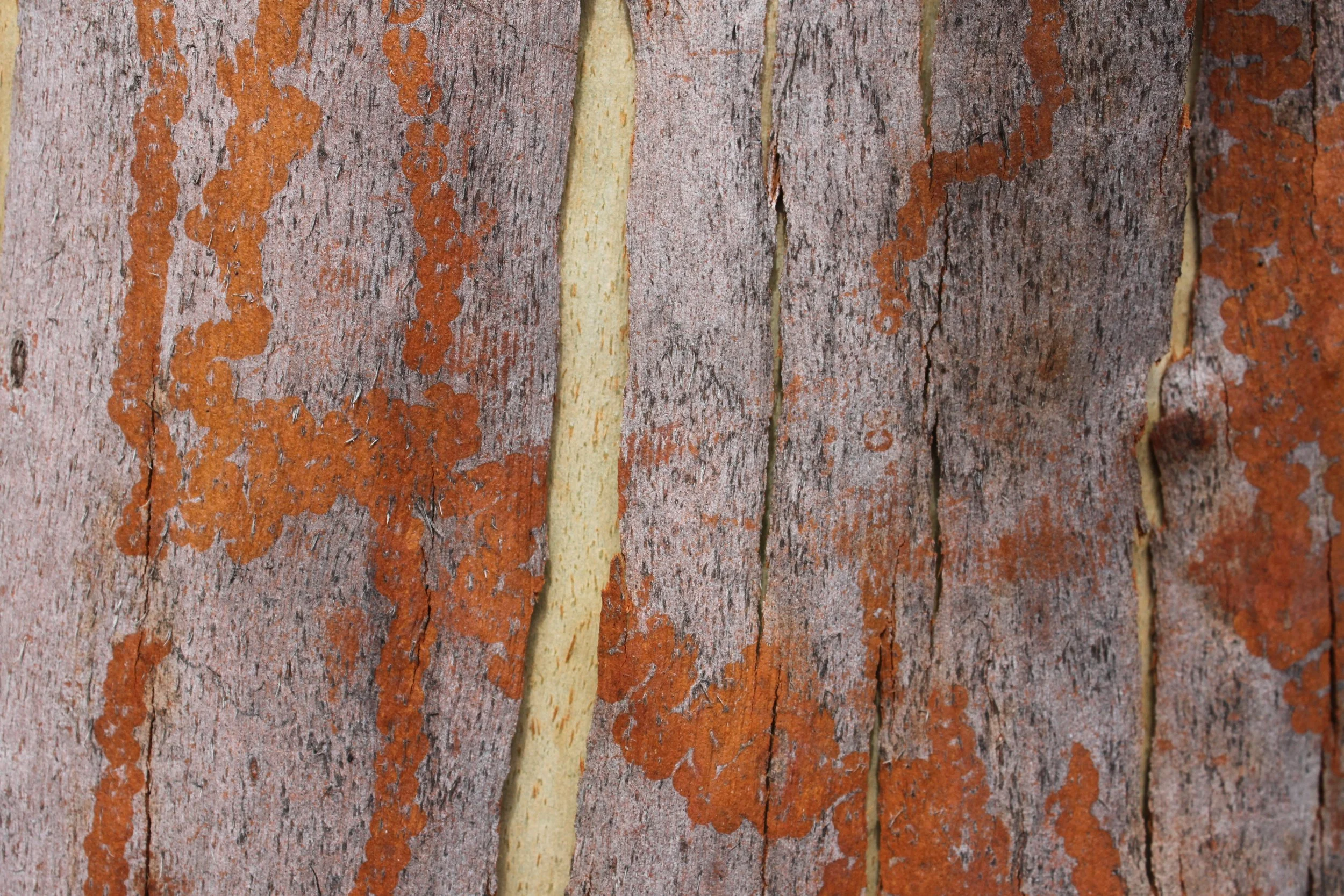
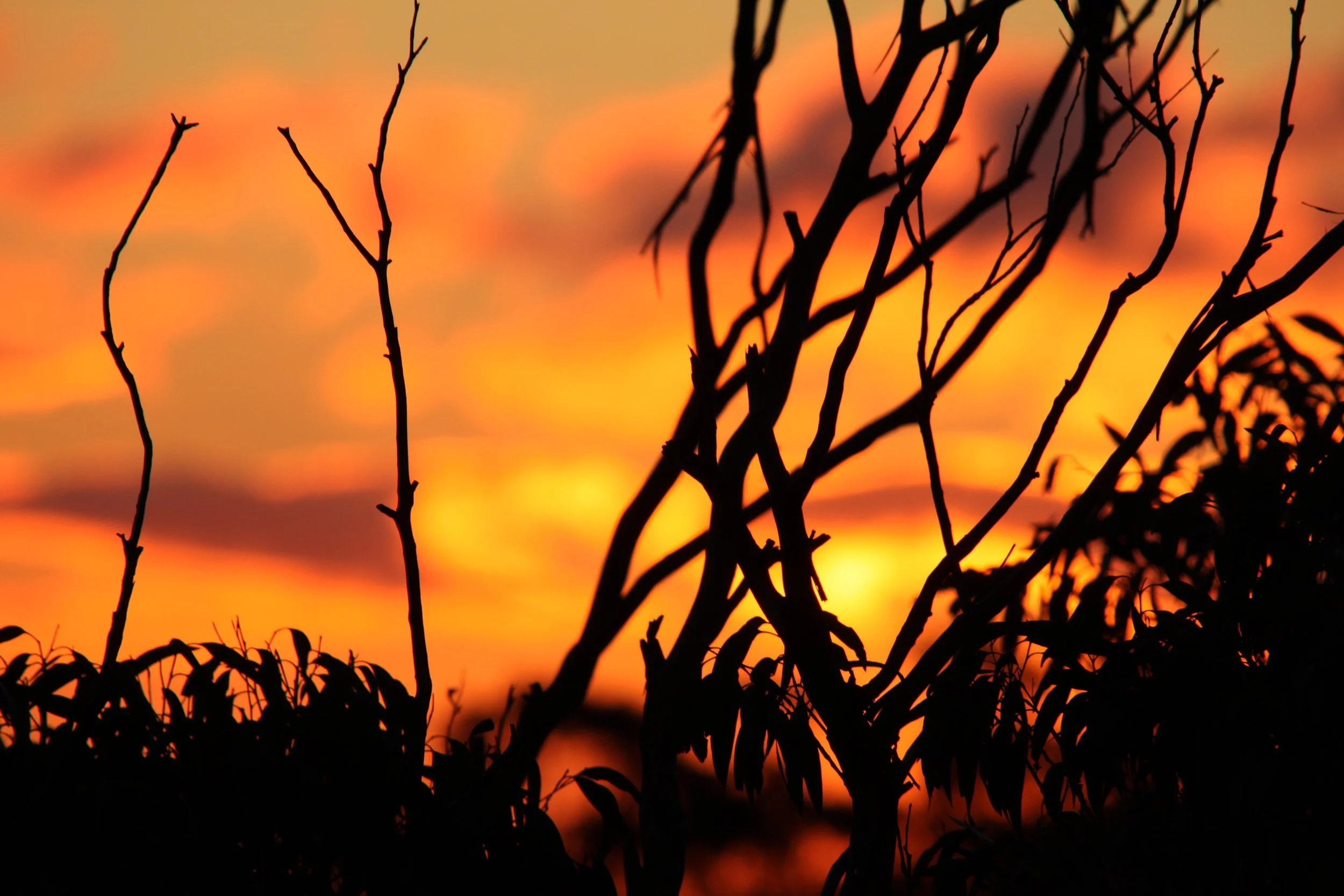
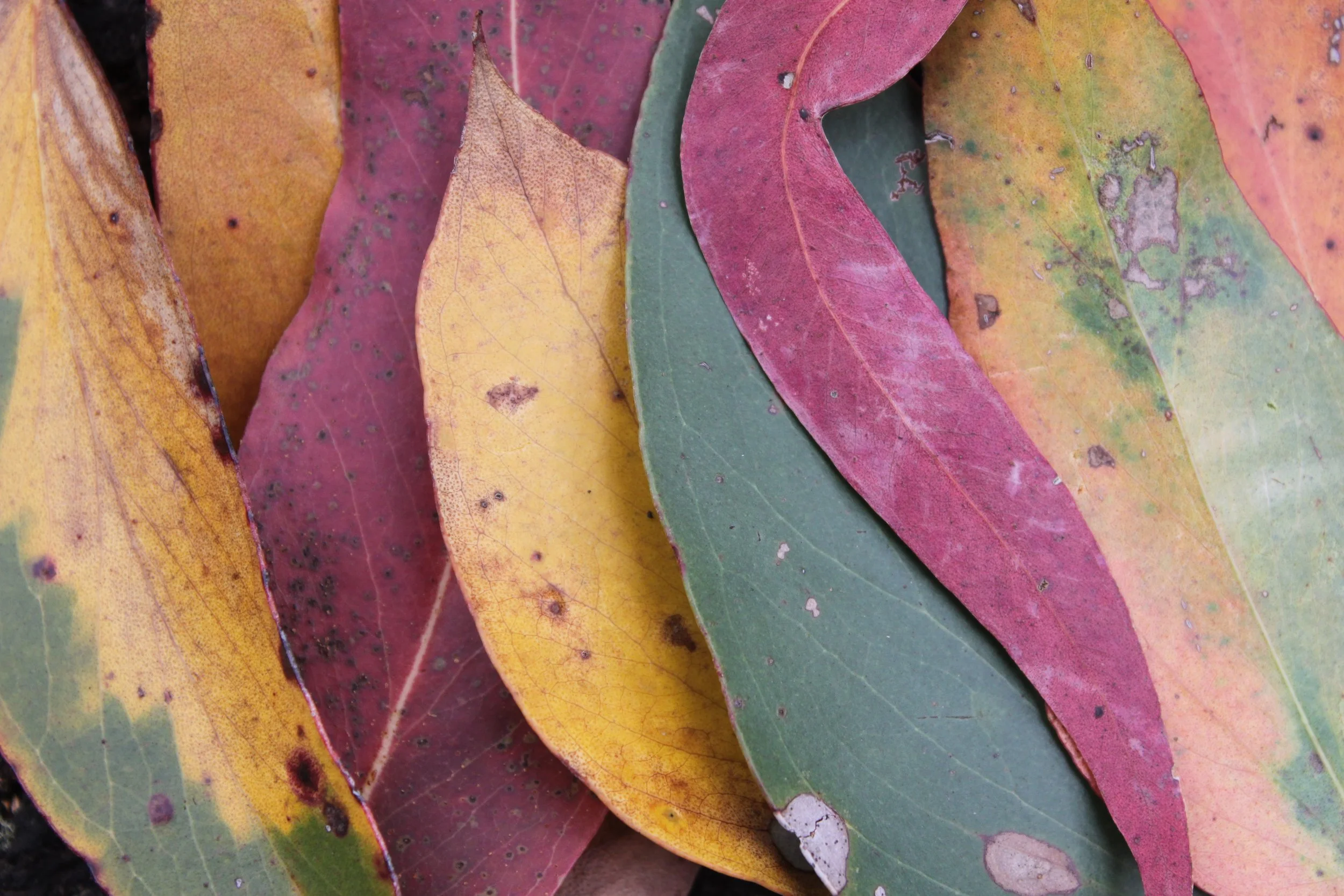
To pay tribute to Craig’s extensive photographic record of this park I have used his images in this story. I have chosen the intimate close ups that illustrate nature as a ‘museum of the senses’. I will also upload a new gallery of his images on the PHOTOS page, dedicated to the grand vistas and soft light that Craig captured so well. All images are from Cathedral Rock National Park.